Product identity
Manufacturer SKU, MPN, and model information
Use the manufacturer’s SKU, MPN, model identifier, or configuration code to match the exact equipment and variant.
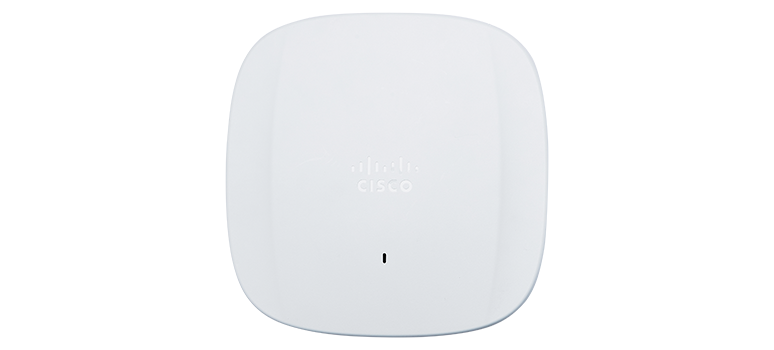
Cisco Catalyst 9166I / CW9166I Access Point
- Manufacturer identifier
- CW9166I-MR
- Variant
- Omnidirectional indoor AP, Meraki management; license required
- Region
- Confirm deployment-country approval
- Verified
- Official source
- Manufacturer verification
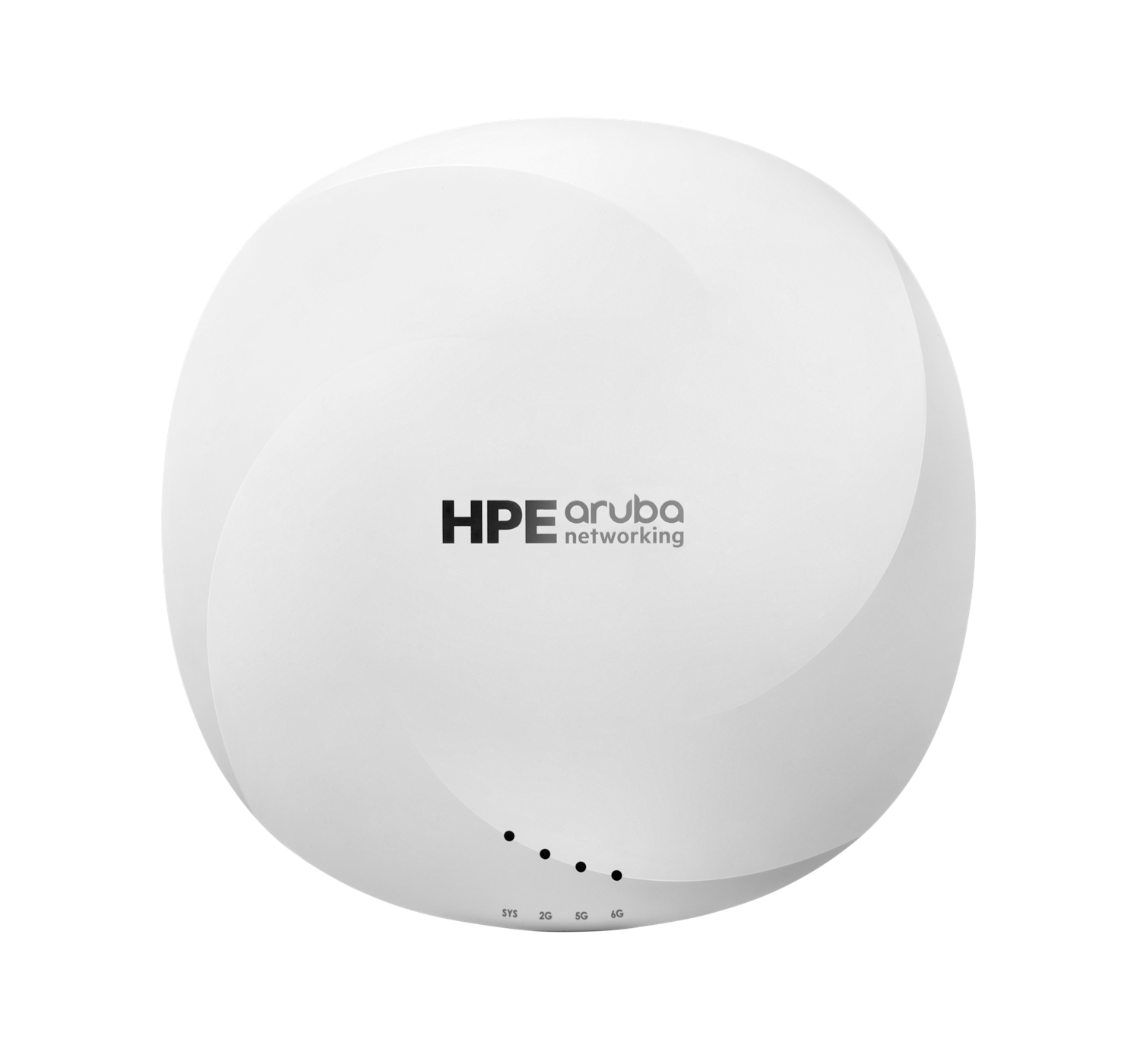
HPE Aruba Networking AP-635 (R7J28A)
- Manufacturer identifier
- R7J28A
- Variant
- AP-635 US, internal antennas
- Region
- US
- Verified
- Official source
- Manufacturer verification
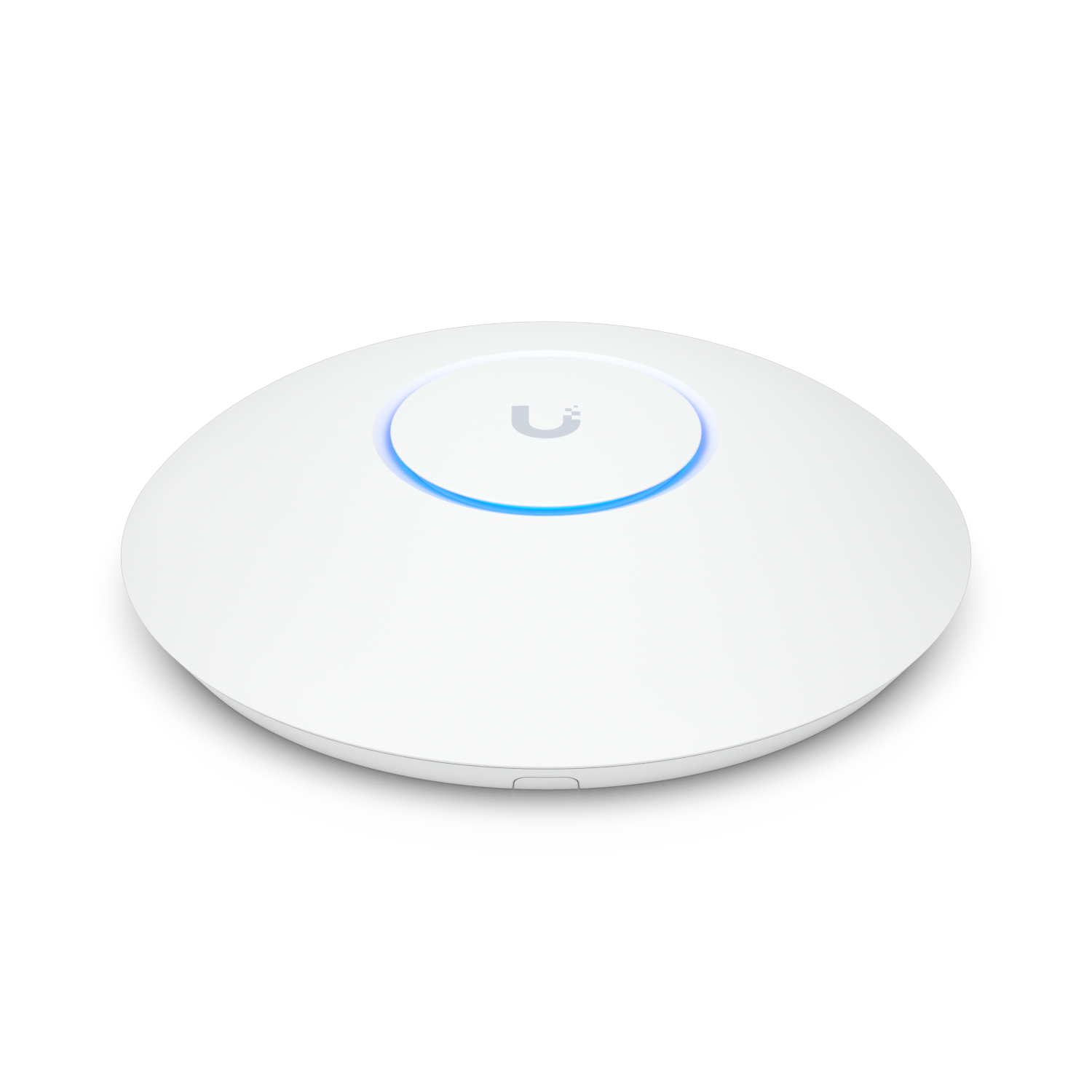
Ubiquiti UniFi U7 Pro (U7-Pro)
- Manufacturer identifier
- U7-Pro
- Variant
- Canonical model/display SKU
- Region
- Global
- Verified
- Official source
- Manufacturer verification
- Manufacturer identifier
- U7-Pro-US
- Variant
- Single-unit storefront variant
- Region
- US
- Verified
- Official source
- Manufacturer verification
Name the problem the upgrade will solve
A wireless refresh can address coverage, capacity, interference, client capability or operating complexity. Those are different problems. Replacing every AP with a newer generation can leave a poor mounting plan or a slow application path unchanged.
Start with the employees' experience: where a call drops, where a handheld transaction stalls, or where a local file transfer cannot complete in time. Relate that experience to the client, location and network path.
If the existing service meets the requirement, a planned client refresh or a measured growth constraint may provide a better reason to replace equipment than the availability of a newer Wi-Fi label.
The clients determine which new capabilities are usable
Wi-Fi 6E introduces 6GHz operation for compatible clients; Wi-Fi 7 adds capabilities that also require client support and suitable spectrum. A legacy scanner does not acquire a new radio by connecting to a newer AP.
Firsthand U7 Pro testing made this distinction visible: a newer capable phone benefited more than an older client in the same local test arrangement. That supports pairing infrastructure decisions with the endpoint roadmap.
Count the clients that can use the new band and identify the applications likely to benefit. The remainder still need dependable service on their supported bands. A successful refresh must accommodate both groups during the transition.
Use the shortlist to solve a specific requirement
The listed capabilities are reasons to investigate, not promises of application speed. The AP-635's second interface, for example, is only useful when the complete upstream and power arrangement supports the intended behavior.
The CW9166I-MR is a specific management variant. A similar hardware family name can conceal different registration and feature assumptions. Include that identity in procurement rather than leaving it to the installer to discover.
| Requirement | Candidate direction | Reason to choose it |
|---|---|---|
| Meraki operation with 6GHz capacity | Cisco CW9166I-MR | Management fit and a 5GbE wired interface |
| Aruba environment with a dual-interface design | HPE Aruba Networking AP-635 | Two powered 2.5GbE interfaces, with upstream design verified |
| UniFi refresh with moderate multigigabit demand | UniFi U7 Pro | Wi-Fi 7 within the existing operating environment |
| Omada deployment with substantial local traffic | TP-Link EAP773 | More wired headroom through its 10GbE interface |
Power mode is part of the radio configuration
Some APs reduce available functions when the supplied power does not meet the requirement for the intended mode. The CW9166I-MR documentation distinguishes power arrangements, including USB availability. Other models have their own restrictions and power-management behavior.
The EAP773 also illustrates why hardware revision matters: older reviews describe power expectations that differ from current US specifications. The delivered revision and regional document should control the switch or injector choice.
Record the negotiated link and active power mode during acceptance. A device that boots and advertises an SSID may still be operating differently from the configuration on which the purchase was based.
Wider channels and faster uplinks need a workload case
A very wide channel can produce an impressive close-range result with a capable client. In a shared environment, the useful channel plan also depends on available spectrum and neighboring cells. The highest single-client peak is not necessarily the best network-wide arrangement.
Independent EAP773 testing included concurrent application work and showed that strong throughput did not always mean equally favorable latency. That is relevant when interactive applications share an AP with bulk transfers.
Test the application mix and expected concurrency. Likewise, pay for a faster wired uplink when traffic can use it. A 10GbE switch port does not change the U7 Pro's 2.5GbE interface, and a fast AP cannot make a slower destination respond sooner.
A pilot should include the devices most likely to expose trouble
Use the important older scanners, phones and embedded devices alongside the new laptops. Exercise roaming, reconnects and the actual transaction or call. Association in a dashboard is only one stage of a working service.
Historical U7 Pro reports contained both problematic and stable deployments. The useful lesson is to qualify the selected firmware and client combination, rather than invent a universal reliability score from a discussion thread.
Choose the AP and operating platform that deliver the required service with manageable support effort. The strongest upgrade is one whose benefit can be named and demonstrated through the complete client-to-application path.
Onsite installation support
Need help deploying the technology you select?
Cartennas provides onsite installation, replacement, mounting, cabling, and Smart Hands support for business Wi-Fi equipment across the United States.
Request Installation SupportCartennas assessment
Upgrade where capable clients, a suitable RF plan and the wired application path produce a measurable benefit. Select the exact management and power configuration, and qualify difficult client behavior before broad replacement.
Cartennas buying analysis grounded in exact product configurations, manufacturer documentation and available firsthand operating evidence. Review methodology. Cartennas provides product procurement and onsite services. Product review terms.
Official manufacturer information
Confirm the exact model, specifications, licensing, warranty, and support terms directly with the manufacturer.
- Cisco Meraki: CW9166 data sheet
- Cisco Meraki: CW9166 installation guide
- HPE Aruba Networking: 630 Series campus access points data sheet
- Ubiquiti: U7 Pro technical specifications
- Omada: EAP773 US product specifications
Product information was checked on September 5, 2026. Specifications, licensing, warranty, availability, and pricing can change.