Product identity
Manufacturer SKU, MPN, and model information
Use the manufacturer’s SKU, MPN, model identifier, or configuration code to match the exact equipment and variant.
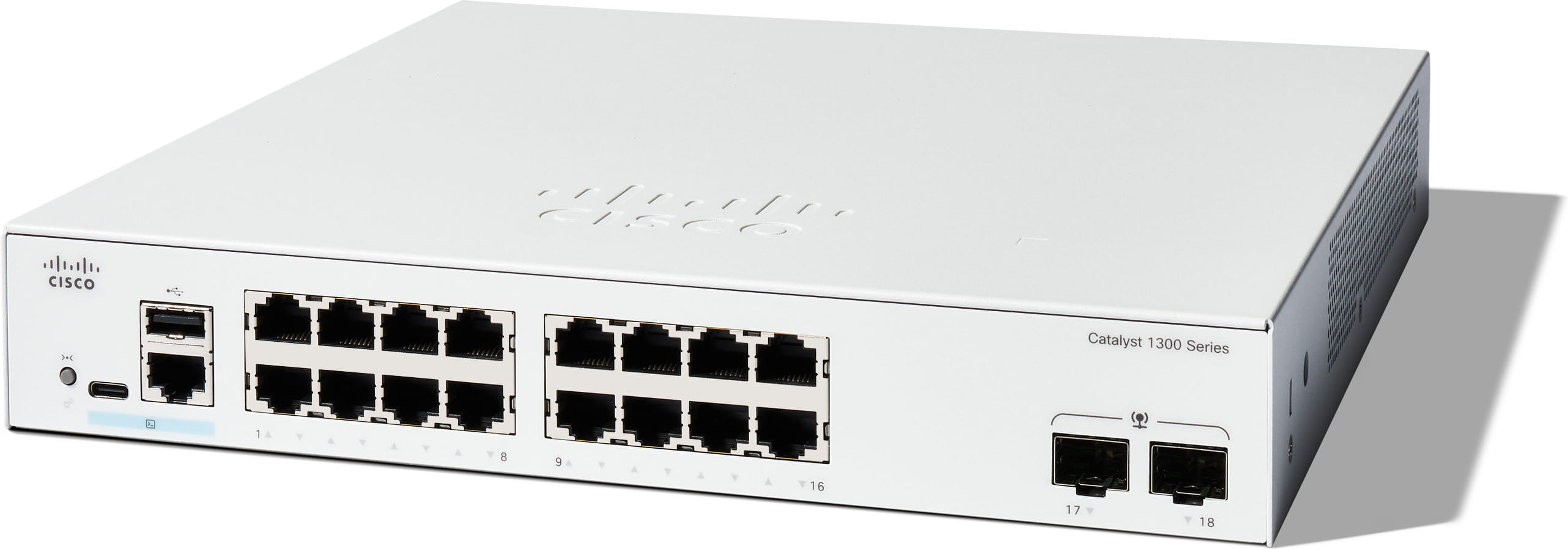
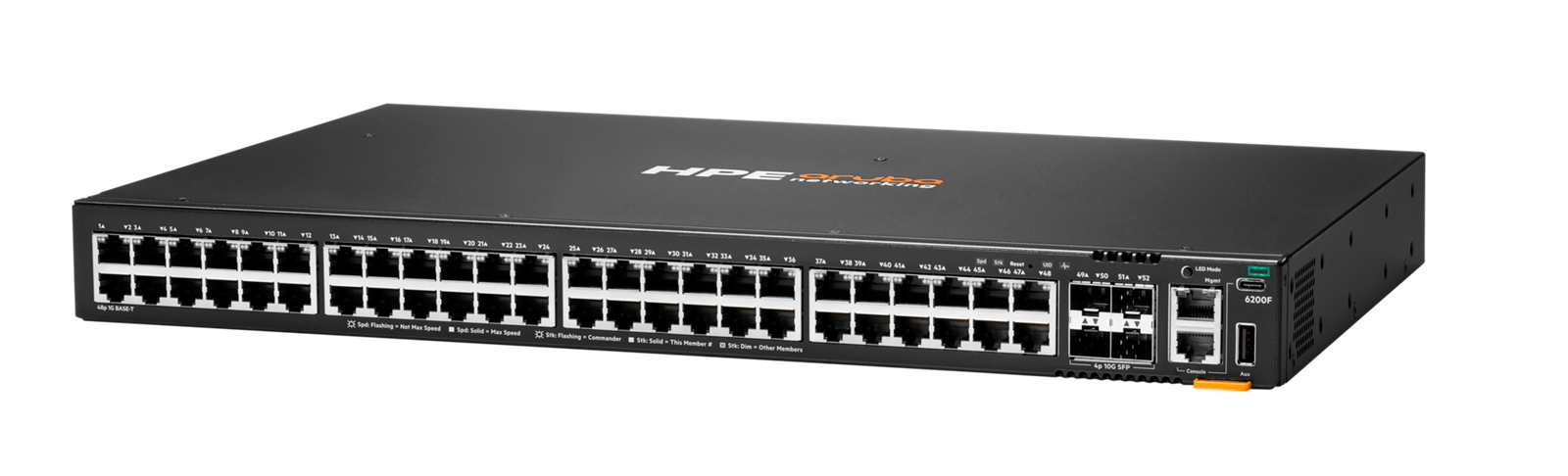
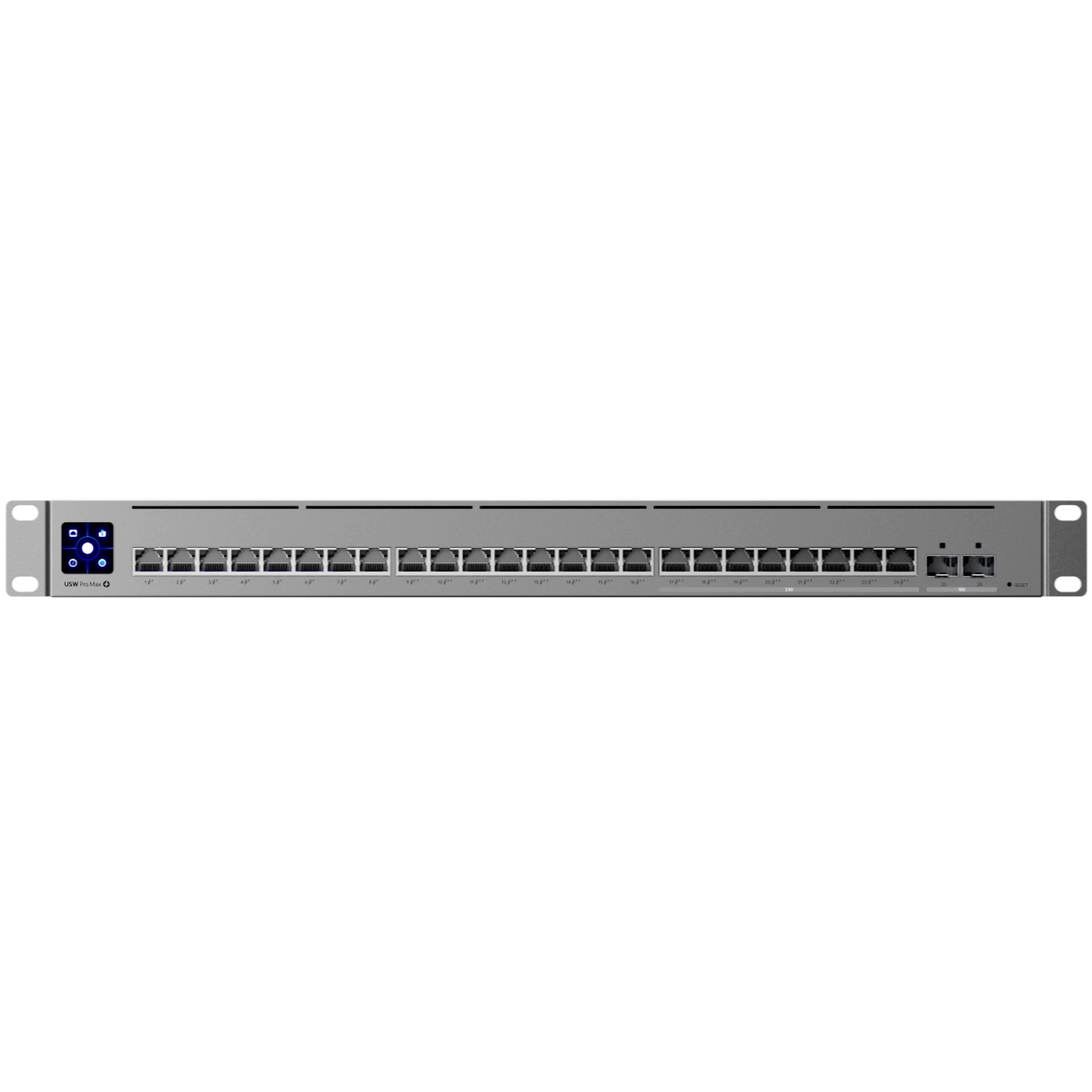
Cisco Meraki MS125 Series
- Manufacturer identifier
- MS125-24
- Variant
- Cisco Meraki MS125 Series
- Region
- U.S. procurement scope; verify orderability
- Verified
- Official source
- Manufacturer verification
Its useful distinction is upstream capacity
The MS125-24 keeps Gigabit copper access while providing four 10Gb-capable SFP+ interfaces. That is the material distinction from a basic Gigabit-uplink access switch. Several users can share a faster upstream path without changing their individual network adapters or recabling every desk.
The benefit is greatest when traffic leaves the switch. A local transfer between two Gigabit endpoints remains limited by those endpoints. A branch using only a modest internet circuit may see no improvement in internet speed at all. Cartennas would retain or replace the MS125 based on the path that is busy, not on the assumption that a 10Gb label accelerates every application.
Four fast connections create options, not automatic resilience
The interfaces can support aggregation, separate upstream destinations or other compatible connections according to the design. They are not dedicated hardware stack ports. Managing several switches together in the dashboard does not make them one physical forwarding system.
A dual-uplink plan therefore needs a clear answer about which links forward and how a failure changes the path. Ordinary aggregation to a compatible upstream system and a spanning-tree standby path have different behavior. Simply connecting more cables can create disruption if the physical layout and configuration disagree.
The non-PoE model is best kept in a data-only role
MS125-24 supplies 24 unpowered copper connections and uses a built-in supply. The 24P sibling supplies PoE+ from a shared budget, but those capabilities do not transfer to this SKU. Existing externally powered workstations and equipment are a natural match.
Adding many powered devices through separate injectors makes the retained switch less attractive. The apparent saving needs to cover the additional plugs, mounts, cabling and replacement components. When Ethernet power is becoming a standard requirement at the location, changing the access switch can simplify the operating environment more than extending the old arrangement.
Remote tools are useful when the network is understandable
Firsthand Meraki operators describe dashboard cable testing as helpful in locating physical faults. The same discussion includes mixed experiences with VLANs, address assignment and integration with other switches. These are family operating reports rather than an MS125-24 performance trial.
They support a practical condition for continued use: preserve a known port and uplink map. Remote packet capture and event logs can reduce diagnosis time, but only if the technician knows which traffic should appear at which connection. Standard port descriptions and a recorded upstream design can produce more value than replacing healthy hardware without improving its documentation.
The support horizon limits the investment
MS125 sales ended March 28, 2025; Cisco lists support through March 28, 2030. A working deployment can still have useful service ahead, but a new long-duration rollout would need another migration before completing a fresh five-year term begun in late 2026.
Retain the switch where its Gigabit access, 10Gb upstream capacity and fixed power are sufficient. Bring replacement forward when the site needs multi-gigabit copper, PoE or a different redundancy model. For a current replacement, compare the exact supported successor configuration rather than treating every newer Meraki switch as equivalent.
Onsite installation support
Need help installing or replacing the Cisco Meraki MS125 Series?
Cartennas provides onsite installation, replacement, rack mounting, cabling, and Smart Hands support for business network equipment across the United States.
Request Installation SupportCartennas assessment
MS125-24 remains reasonable in an existing, well-documented Gigabit branch with faster upstream needs. Avoid new long-term investment when the next endpoint refresh will also require power, faster copper or a different resilience design.
Cartennas analysis of manufacturer specifications, applicable technical documentation and available firsthand operating evidence. Review methodology. Cartennas provides product procurement and onsite services. Product review terms.
Official manufacturer information
Confirm the exact model, specifications, licensing, warranty, and support terms directly with the manufacturer.
Product information was checked on September 5, 2026. Specifications, licensing, warranty, availability, and pricing can change.