Product identity
Manufacturer SKU, MPN, and model information
Use the manufacturer’s SKU, MPN, model identifier, or configuration code to match the exact equipment and variant.
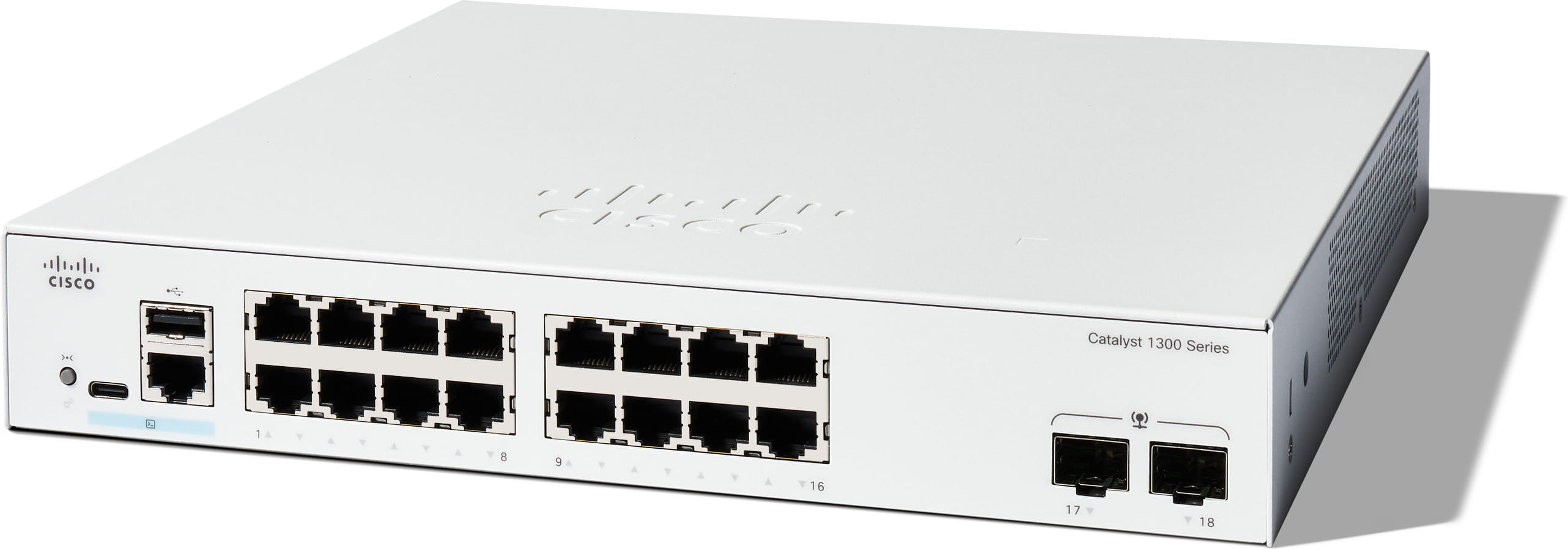
Cisco Catalyst 9200 24-port PoE+ Switch, Network Essentials (C9200-24P-E)
- Manufacturer identifier
- C9200-24P-E
- Variant
- 24-port 1GbE PoE+; modular uplinks; Network Essentials
- Region
- US
- Verified
- Official source
- Manufacturer verification
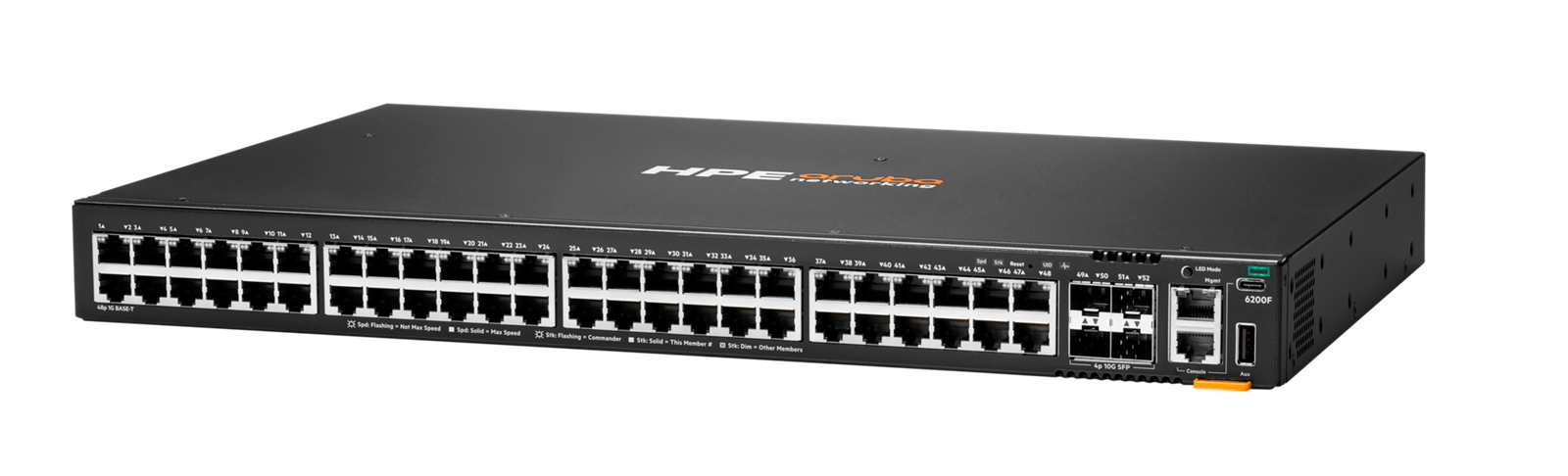
HPE Aruba Networking CX 6300F 24-port 1GbE Class 4 PoE and 4-port SFP56 Switch (JL666A)
- Manufacturer identifier
- JL666A
- Variant
- 24-port 1GbE Class 4 PoE; four 1/10/25/50G SFP56 uplinks; fixed model
- Region
- US
- Verified
- Official source
- Manufacturer verification
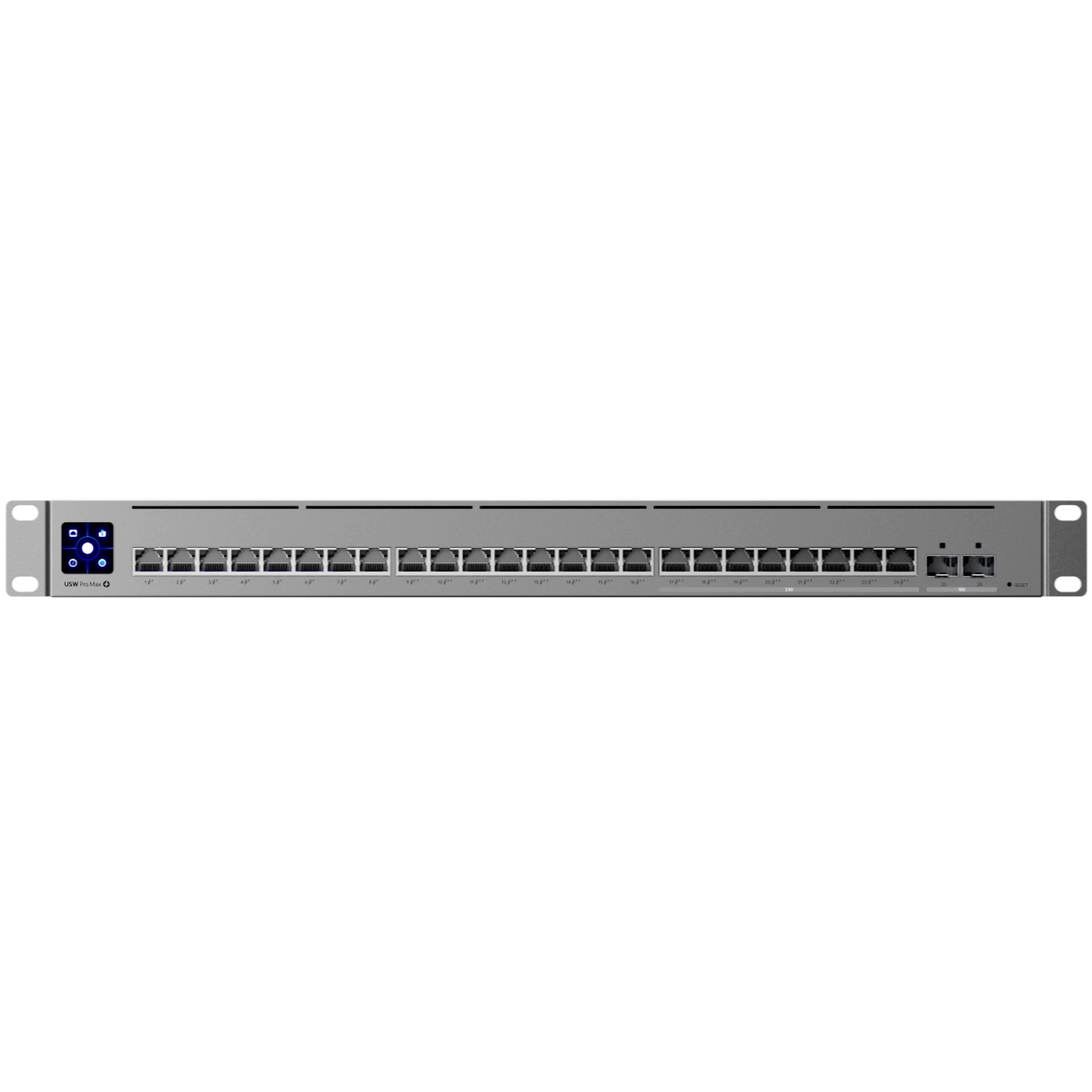
Extreme Networks 5420M-48W-4YE 48-Port 90W PoE Universal Switch
- Manufacturer identifier
- 5420M-48W-4YE
- Variant
- Modular 48-port Gigabit 90W PoE with 4 x 25Gb SFP28 uplinks
- Region
- US
- Verified
- Official source
- Manufacturer verification
The first limit belongs to the individual port
A switch can have enough total power and still be wrong for a particular endpoint. The device’s required power class must be supported by the port serving it. A higher-powered port elsewhere on the chassis does not change the capability of the selected connection.
The same distinction applies to product families. A 24-port PoE+ model does not inherit the 60W or 90W ports available on another variant. The buying document should identify both the endpoint requirement and the exact switch-port variant. That makes the power decision specific enough to survive a substitution in the equipment quote.
The second limit is the sum of the allocations
JL679A’s 139W budget illustrates how a small switch can run out of power before it runs out of ports. Four illustrative 30W allocations consume 120W; adding a fifth raises the requirement to 150W. The unused data ports do not help with that shortfall.
Power planning should also distinguish the power assigned or reserved for a device from an informal observation of its idle draw. A device can change behavior when radios, heaters, illuminators or other functions activate. The relevant allocation is the one the deployment must support under its intended operating conditions. An attractive idle measurement is not, by itself, a dependable sizing basis.
| Quantity | What it establishes | What it does not establish |
|---|---|---|
| Per-port PoE class | The capability of one supported connection | Total chassis power for every port |
| Aggregate PoE budget | Available endpoint allocation in a stated configuration | Capacity after a supply failure |
| Surviving budget | Load sustainable under the specified failure | Battery runtime |
| UPS input load | Demand placed on upstream protection | The capability of an individual PoE port |
The third limit appears after a power source fails
A C9200-24P with two standard AC supplies has more available PoE capacity than one with a single supply. But an illustrative 600W endpoint allocation that fits the combined arrangement exceeds the 370W available from one standard supply.
That makes two valid designs possible, with different outcomes. One uses the second supply to carry a larger normal load. Another keeps enough reserve to sustain its required load after a failure. The purchase must identify which outcome is expected. Calling both arrangements redundant without stating the surviving load would hide the most important difference.
Environment and upstream protection complete the calculation
Industrial supplies can lose available PoE capacity at higher temperatures. The JL817A and JL820A combination, for example, has a lower published budget at 70°C than below 50°C. The right budget is the one that applies to the installed enclosure, not the most favorable row in the specifications.
The upstream UPS also carries the switch’s own consumption and conversion losses, not only the PoE delivered to endpoints. Battery runtime must therefore be evaluated against the complete input load and the services that need to remain available. This joins switch selection to the closet’s electrical design without confusing a VA label, supply nameplate or port count with usable endpoint capacity.
Field experience gives the specification a practical purpose
Operator accounts of compact-switch and stack deployments repeatedly expose the difference between a listed capability and a working arrangement. For PoE, the equivalent acceptance question is whether the required endpoint functions remain available under the planned load and failure condition. Cartennas would judge the purchase by that result, with device priorities and reserve made explicit before the installation repeats across sites.
Onsite installation support
Need help deploying the technology you select?
Cartennas provides onsite installation, replacement, rack mounting, cabling, and Smart Hands support for business network equipment across the United States.
Request Installation SupportCartennas assessment
Select the switch only after the port class, normal allocation and required surviving allocation are known. Then choose supplies and upstream protection that satisfy those conditions in the real environment. This sequence makes a lower-cost switch acceptable when it truly fits and exposes an under-sized configuration before it becomes an installation problem.
Cartennas analysis of manufacturer specifications, applicable technical documentation and available firsthand operating evidence. Review methodology. Cartennas provides product procurement and onsite services. Product review terms.
Official manufacturer information
Confirm the exact model, specifications, licensing, warranty, and support terms directly with the manufacturer.
- Cisco: Catalyst 9200 hardware overview
- HPE Aruba Networking: CX 6100 JL679A product specification
- HPE Aruba Networking: AOS-CX 10.16 VSF connection topology
- HPE Aruba Networking: Central on-premises 2.5.8 AOS-CX stacking support
- HPE Aruba Networking: CX 4100i QuickSpecs
- Cisco: Catalyst 9300 series data sheet
- Cisco: Catalyst 9300 StackWise system architecture
- Cisco: Configure and troubleshoot StackPower
- Cisco: Recommended releases for Catalyst platforms
Product information was checked on September 5, 2026. Specifications, licensing, warranty, availability, and pricing can change.