Product identity
Manufacturer SKU, MPN, and model information
Use the manufacturer’s SKU, MPN, model identifier, or configuration code to match the exact equipment and variant.
Dell PowerEdge R760
- Manufacturer identifier
- pe_r760_tm_vi_vp_sb
- Variant
- PowerEdge R760 Server configurable storefront order code
- Region
- US
- Verified
- Official source
- Manufacturer verification
- Manufacturer identifier
- pe_r760_15724_vi_vp
- Variant
- PowerEdge R760 Rack Server configurable storefront order code
- Region
- US
- Verified
- Official source
- Manufacturer verification
Choose the workload before choosing the drive bays
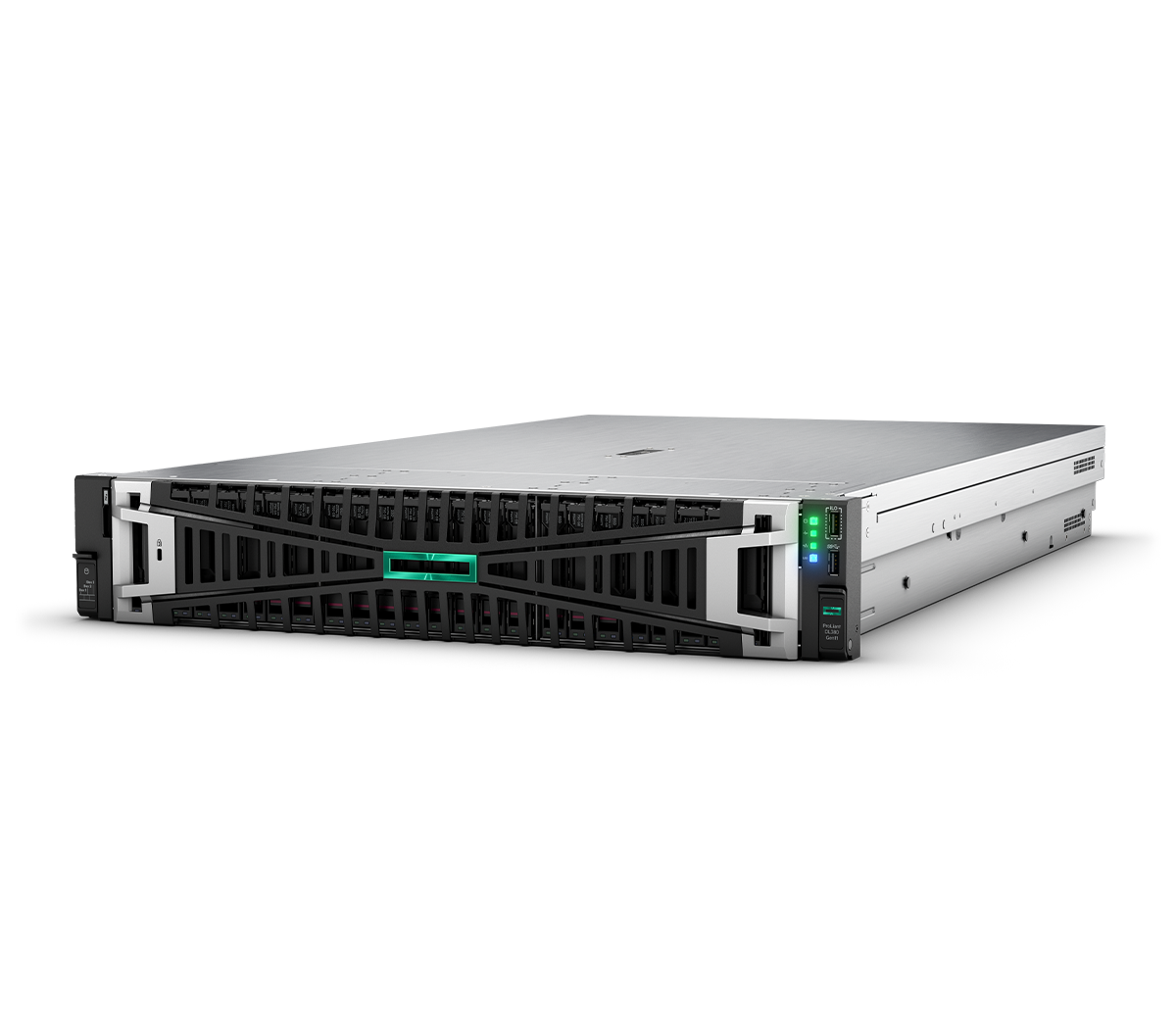
The PowerEdge R760 is a 2U, two-socket server with a wide configuration range. Current Dell documentation includes fourth-generation Xeon Scalable processors and fifth-generation options up to 64 cores per socket. It also lists 32 DIMM slots, split across the two processors. That makes the model name a starting point for evaluation, rather than a complete specification.
Dell offers materially different storage arrangements: direct-attached NVMe, hardware RAID using PERC controllers, and several front and rear drive layouts. A quote with the desired number of bays can still implement the wrong storage architecture. The controller, backplane, cabling and operating-system support need to agree.
For a software-defined storage cluster, direct device access may be a requirement. A conventional application server may instead depend on hardware RAID and an established controller-replacement procedure. Changing between those designs later can involve more than installing a different drive. The practical value of the R760 is its ability to accommodate a deliberate design.
Memory capacity and memory bandwidth are separate decisions
Each processor has eight memory channels, with two DIMM positions per channel. A configuration can therefore leave available channels unused while still appearing generous in total gigabytes. The exact population rules and supported speeds depend on the selected processor and DIMMs.
For a memory-sensitive database or a heavily consolidated virtualization host, the useful comparison includes channel population and capacity per virtual machine. Buying more cores while leaving the memory arrangement unchanged can move the bottleneck rather than remove it.
Cartennas would compare a balanced configuration against the current workload's measured CPU, memory and storage behavior. That is particularly important when software is licensed by core: unused processing capacity can carry an ongoing cost even when the server was competitively priced.
Independent tests show why one benchmark is insufficient
A 2023 hands-on test used two Xeon Gold 6430 processors and compared the R760 with a differently configured R660. The R760 completed the tested y-cruncher workloads sooner, while the comparison system led in the reported Blender and V-Ray results.
Those results support a narrow but useful conclusion: a higher processor tier or a different core count does not produce the same ranking in every workload. They do not establish that all R760 configurations outperform an R660, or that a two-socket system is necessary for a particular branch application.
The tested system also included iDRAC9 Enterprise. Its management experience should not be read as a promise that every quoted R760 includes the same licensed features. Remote console, deployment and automation requirements should be stated in the configuration, alongside the processors and drives.
Serviceability only helps when the failure path is defined
The hands-on examination found a serviceable internal arrangement and rear access to the boot subsystem. Those details matter when a technician needs to replace a component without turning a maintenance window into a full rack disassembly.
However, replaceable hardware is only part of recovery. The organization still needs compatible spares or an appropriate response agreement, current configuration records and a supported way to rebuild the boot environment. A server with redundant components can remain unavailable if the replacement procedure is unclear.
For a remote site, define which operations the central team can perform through management access and which require a technician. That distinction should influence the management license and support coverage before the hardware ships.
Where the R760 remains a sensible purchase
The R760 is a strong candidate when an organization values a known platform, compatible fleet operations and a configuration suited to an existing workload. A quoted server should be evaluated against newer-generation alternatives on total delivered capacity and operating cost, rather than discounted chassis price alone.
The most convincing purchase case has a concrete memory layout, the correct storage path, enough expansion for the intended role and a tested recovery procedure. The least convincing case is an oversized general-purpose configuration justified by a collection of maximum specifications.
Cartennas recommends the R760 conditionally on that complete design. Its flexibility is an advantage when the configuration is intentional; it is not evidence that every available option improves the result.
Onsite installation support
Need help installing or replacing the PowerEdge R760?
Cartennas provides onsite installation, replacement, rack mounting, cabling, and Smart Hands support for business servers and storage equipment across the United States.
Request Installation SupportCartennas assessment
Choose the R760 for a defined workload and an operating model the team can support. Compare complete configurations, including memory population, storage topology, management features and service coverage, before deciding whether an established platform or a newer generation offers better value.
Cartennas synthesis of model-specific manufacturer documentation and independent hands-on evidence, with configuration limits and operational implications evaluated separately. Review methodology. Cartennas provides product procurement and onsite services. Product review terms.
Official manufacturer information
Confirm the exact model, specifications, licensing, warranty, and support terms directly with the manufacturer.
- Dell Technologies: PowerEdge R760 system overview
- Dell Technologies: PowerEdge R760 memory guidelines
- Dell Technologies: PowerEdge R760 configuration options
Product information was checked on September 5, 2026. Specifications, licensing, warranty, availability, and pricing can change.