Product identity
Manufacturer SKU, MPN, and model information
Use the manufacturer’s SKU, MPN, model identifier, or configuration code to match the exact equipment and variant.
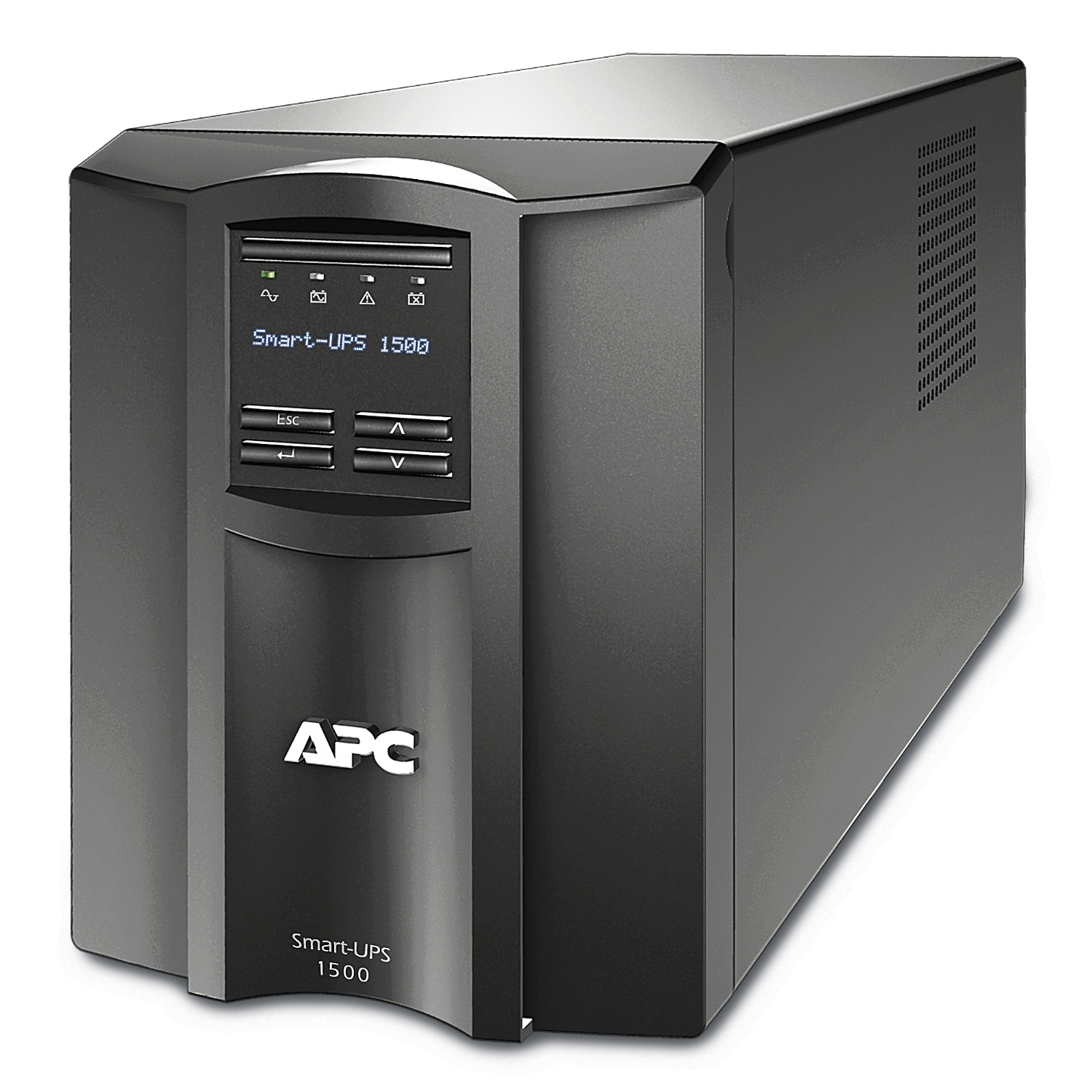
APC Smart-UPS SMT1500C
- Manufacturer identifier
- SMT1500C
- Variant
- APC Smart-UPS 1500VA tower, 120 V, SmartConnect + SmartSlot
- Region
- US
- Verified
- Official source
- Manufacturer verification
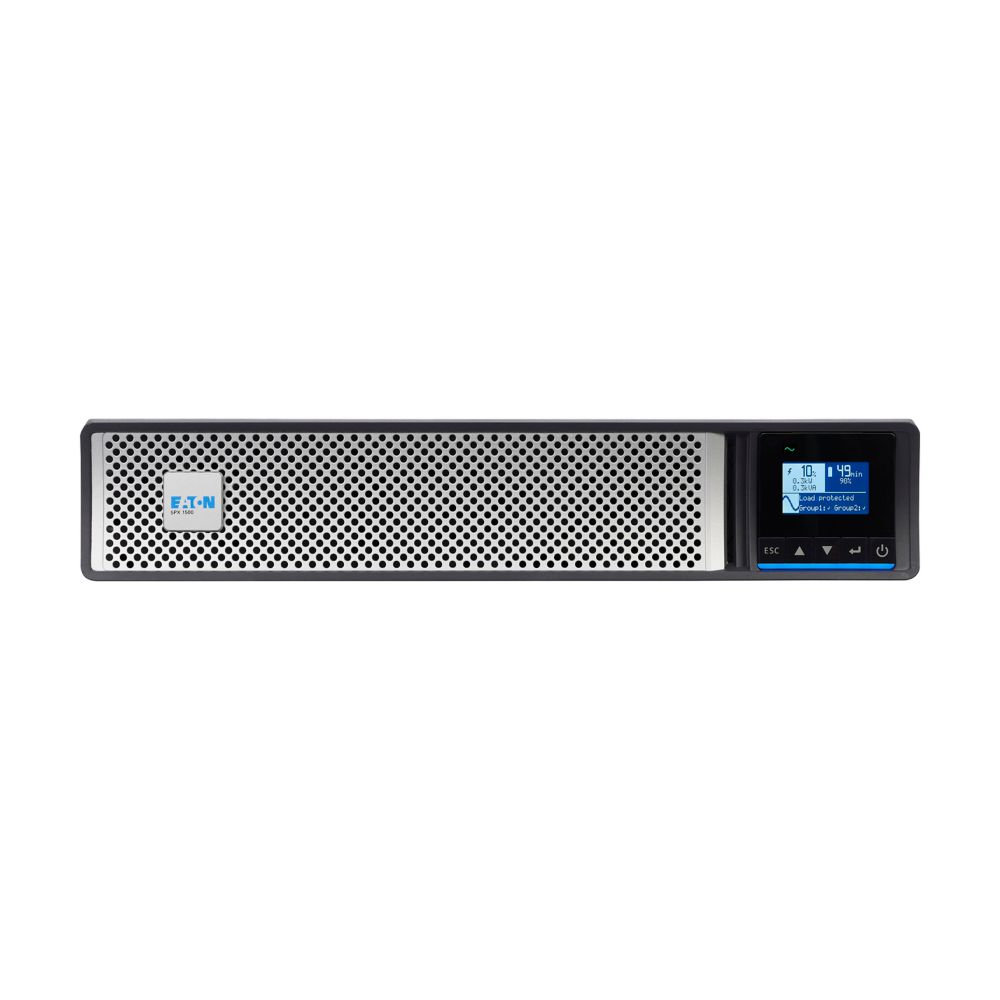
Eaton 5PX1500RTG2
- Manufacturer identifier
- 5PX1500RTG2
- Variant
- Eaton 5PX G2, 2U rack/tower, 1440 VA/1440 W, 120 V
- Region
- US
- Verified
- Official source
- Manufacturer verification
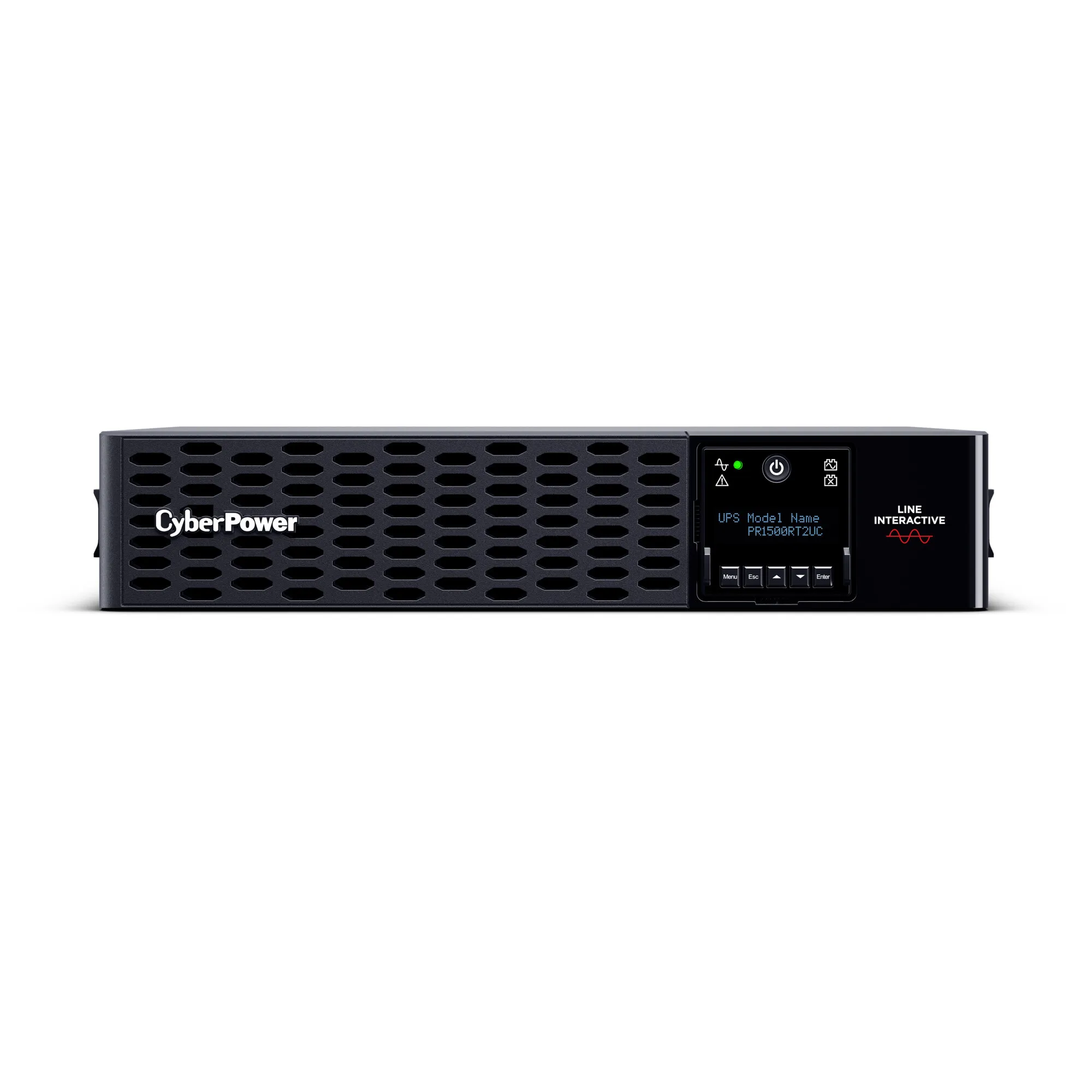
CyberPower PR1500RT2UC
- Manufacturer identifier
- PR1500RT2UC
- Variant
- Smart App Sinewave UPS model
- Region
- US
- Verified
- Official source
- Manufacturer verification
Decide what the battery is supposed to accomplish
A UPS can bridge a short interruption, wait for another power source or support a controlled shutdown. Each objective creates a different time requirement. Buying a VA class before defining that objective reverses the design.
For a network closet, preserving connectivity may be the whole job. For a server rack, applications may need to stop before storage, while the network must remain available to carry shutdown commands.
Write that sequence in operational terms. The required battery window includes detection and configured delays as well as the actual stopping time. A system that needs nearly all of the published runtime under ideal conditions has little room for variation.
Measure the load that matters
Use the equipment's relevant operating state, including work that may occur during the outage sequence. An idle rack is not necessarily representative of hosts and storage completing active jobs.
Both watts and apparent power must fit the UPS rating. Equipment with the same nominal VA class can have different watt limits, so model numbers are not a reliable substitute for specifications.
Separate essential and nonessential loads before increasing capacity. An unnecessary device can consume the reserve needed by the service that must finish. The objective is a completed sequence, not simply filling every available outlet.
Use exact models to understand the capacity tradeoff
These ratings establish output limits, not equal runtime. The Eaton's battery modules extend operation without increasing its inverter rating. Related CyberPower XL models likewise should not silently stand in for the non-XL configuration.
Compare the complete order: chassis, battery arrangement, communications and physical installation. A lower bare-unit price can omit the capability that made the product attractive in the first place.
| Primary job | Candidate direction | Decision that matters |
|---|---|---|
| Tower installation up to the appropriate load | APC SMT1500C | 1440 VA / 1000 W; specify the management path |
| Rack/tower with higher watt demand or battery expansion | Eaton 5PX1500RTG2 | 1440 VA / 1440 W; supported external batteries are a separate choice |
| Compact rack/tower with a defined internal-battery window | CyberPower PR1500RT2UC | 1500 VA / 1500 W; do not borrow XL expansion capability |
Read the runtime curve rather than draw a straight line
CyberPower publishes 18.2 minutes at half load and 6.5 minutes at full load for the PR1500RT2UC. Doubling the load therefore reduces the stated runtime by more than half. That is a concrete reason not to extrapolate runtime linearly.
Use the manufacturer's curve for the selected load and battery configuration, then leave margin for battery condition and the slower supported operating sequence. A half-load value is not useful if the installation normally runs well above it.
Acceptance should confirm the required behavior under a controlled event. A successful software installation or a full-charge indicator cannot establish how the complete system responds when power actually changes.
The control path needs its own reserve
Cloud monitoring, a local network-management card and host shutdown software serve different purposes. A dashboard can expose a low-battery condition without closing an application. A remote outlet reboot can interrupt a workload without protecting its data.
Keep the management switch and required route available until the shutdown signal has done its job. Where communication depends on another protected component, include that dependency in the sequence.
Also define restart behavior. The return of utility power does not mean every dependent application should start simultaneously. Storage, networking and hosts may need a deliberate order before the business service is usable again.
Installation conditions affect the everyday result
Rack space, tower placement, battery access and the ability to service the unit belong in the design. A physically awkward installation can turn a routine battery replacement into a disruptive task.
Noise also changes with operating state. Eaton's documented fan-off conditions are specific, and owner experience shows that charging can extend fan activity. Evaluate recharge and battery operation when the UPS will be near occupied desks.
Select the smallest complete arrangement that carries the required workload and sequence with reasonable margin. A good design can explain its load, its time requirement and the action taken at each stage of the event. That explanation is more useful than a large VA number alone.
Onsite installation support
Need help deploying the technology you select?
Cartennas provides onsite installation, replacement, rack mounting, cabling, and Smart Hands support for business power and infrastructure equipment across the United States.
Request Installation SupportCartennas assessment
Size output from measured load and runtime from the required operating sequence. Include the exact batteries, management path and restart behavior, then verify that the protected service completes the intended transition.
Cartennas buying analysis grounded in exact product configurations, manufacturer documentation and available firsthand operating evidence. Review methodology. Cartennas provides product procurement and onsite services. Product review terms.
Official manufacturer information
Confirm the exact model, specifications, licensing, warranty, and support terms directly with the manufacturer.
- Schneider Electric: SMT1500C US product information
- Schneider Electric: Network Management Card versus SmartConnect
- Schneider Electric: SmartConnect Advanced plan
- Schneider Electric: Restarting SmartConnect communications
- Eaton: 5PX1500RTG2 specifications
- Eaton: 5PX1500RTNG2 network bundle
- Eaton: 5PX G2 North American technical specifications
- CyberPower: PR1500RT2UC specifications
- CyberPower: Published 18.2-minute half-load product data
- CyberPower: PowerPanel Cloud product information
- CyberPower: PR1500RTXL2UC extended-runtime variant
Product information was checked on September 5, 2026. Specifications, licensing, warranty, availability, and pricing can change.