
Cartennas
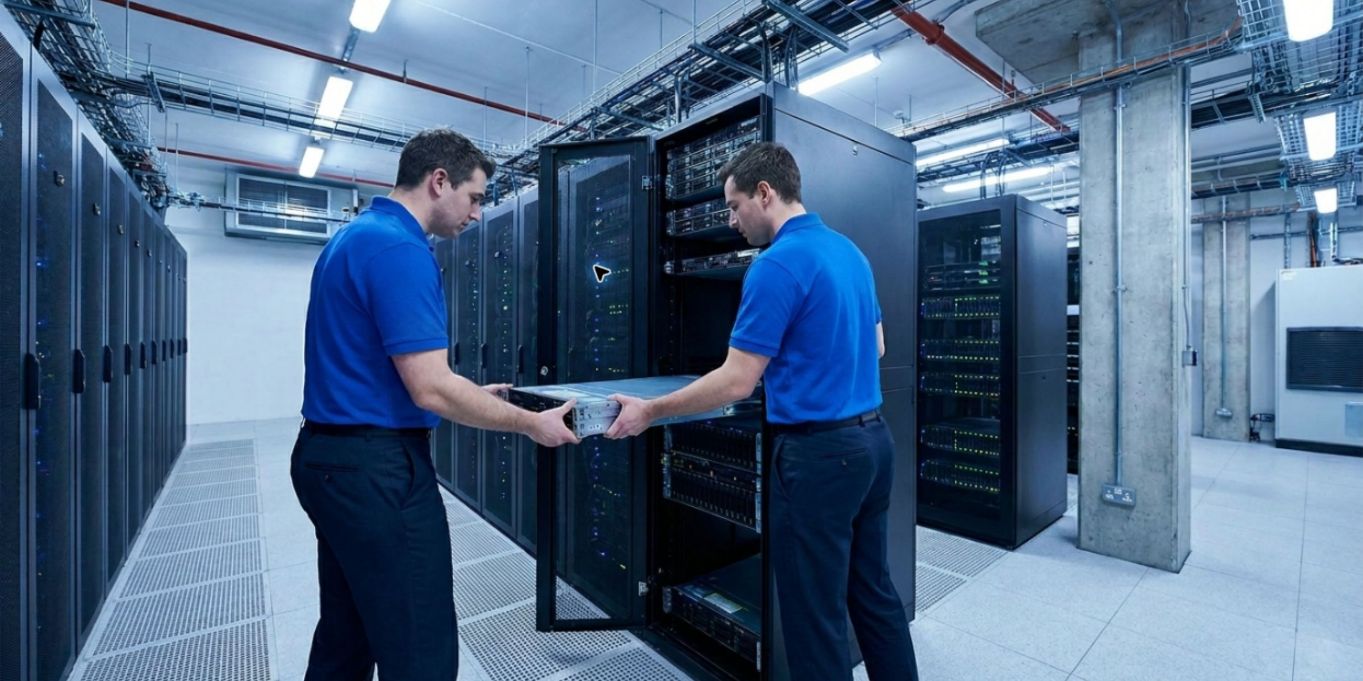
Cartennas technicians installing equipment in a data center rack

Data centers and colocation

Data center onsite IT services nationwide

Cartennas provides onsite technicians for data center and colocation environments that need rack, equipment, cabling, testing, Remote Hands, asset, carrier-handoff, and decommissioning tasks completed at the facility.

  • Rack and stack
  • Copper and fiber
  • Testing and verification
  • Remote Hands
  • Asset capture
  • Decommissioning

Industry overview

Onsite IT support for data center environments

Data center and colocation operators depend on infrastructure that cannot be handled through remote access alone. When racks, cabinets, cables, power connections, optics, servers, or network devices need hands-on attention, the right technician and a precise work order matter.

Cartennas supports the onsite layer from initial deployment through ongoing maintenance and final decommissioning. Engagements can be planned for an individual event, scheduled activity, or a broader program after the facility, scope, access, timing, and technical requirements are reviewed.

Operators managing multiple facilities or cages can use one point of coordination and common documentation requirements instead of sourcing a different provider for every market.

Data center environments supported

  • Hyperscale and cloud facilities
  • Multi-tenant colocation
  • Enterprise data centers
  • Edge and POP sites
  • Remote and modular facilities
  • Telecom meet-me rooms

Facility planning requirements

  • Facility and cage authorization
  • Rack, cabinet, and RU details
  • A/B power and port maps
  • Maintenance window and remote bridge
  • Method of procedure and rollback authority
  • Asset, test, photograph, and closeout requirements

Onsite support capabilities

Data center technical capabilities

Cartennas supports the hands-on infrastructure tasks data center and colocation teams need completed under an approved scope.

Rack and equipment work

Install, remove, reposition, or inspect servers, switches, routers, firewalls, storage, appliances, rails, shelves, and rack accessories.

Copper and fiber cabling

Complete patching, routing, dressing, tracing, cleanup, and approved rack-to-rack or device connections for copper and fiber.

Testing and verification

Perform specified wiremap, continuity, length, fault-location, light-level, loss, loopback, and certification work when required.

Carrier handoff and link checks

Verify demarcation, patch paths, ports, link indicators, optics, and approved loopback steps with the authorized technical team.

Remote Hands and Smart Hands

Complete approved power cycles, visual inspections, console connections, cable reseats, component swaps, and guided hardware checks.

Labeling and asset capture

Record cable, port, rack, device, serial number, asset tag, MAC address, model, position, and required photographs.

Server and network hardware

Support switches, routers, firewalls, load balancers, servers, storage, optics, cards, drives, fans, power supplies, and related components.

Rack movement support

Assist with condition review, approved disconnect and reconnect steps, staging, cable slack, strain, and post-move verification.

Decommissioning and removal

Capture assets, remove approved equipment and cabling, verify ports and racks, and pack, stage, or hand off removed items.

Common onsite work

Common data center and colocation work

  • Rack and stack installation or removal
  • Server and network hardware swaps
  • Power cycles and indicator checks
  • Copper and fiber patching
  • Cable tracing, labeling, and cleanup
  • Carrier handoff and port verification
  • Console and KVM assistance
  • Asset inventory and rack-elevation verification
  • Component replacement under remote direction
  • Equipment decommissioning and staging

Why Cartennas

Why data center operators choose Cartennas

One coordination point across facilities

Use common scoping, dispatch, documentation, asset, and completion requirements across multiple markets.

Technicians matched to the approved scope

Define the facility environment, work, tools, access, timing, and required skills before service is confirmed.

Documented infrastructure closeout

Return agreed photographs, serial numbers, rack positions, labels, test results, status, and unresolved exceptions.

Flexible engagement

Use Cartennas for individual events, scheduled maintenance, projects, recurring field activity, and distributed facilities.

Frequently asked questions

Questions about data center onsite it services nationwide

Final availability, timing, and pricing depend on the location, approved scope, access, equipment, and service requirements.

What onsite IT work does Cartennas support for data centers and colocation facilities?

Typical work includes troubleshooting, installations, device swaps, Smart Hands, network equipment support, cabling, and project activity involving servers, storage, routers, switches, firewalls, optics, power supplies, racks, cabinets, and patching.

Can Cartennas support both a single location and a national footprint?

Yes. Customers can request work at one site or coordinate approved service across regional and nationwide locations through the same service organization.

Can service be planned around operating hours and site access rules?

Yes. Include the service window, access requirements, escort rules, onsite contact, and any location-specific restrictions with the request so the visit can be planned correctly.

Can Cartennas work with our internal IT team or managed service provider?

Yes. Cartennas provides onsite IT support while the customer or authorized technology partner retains technical ownership, standards, and remote direction.

Start a conversation

Need onsite IT services for a data center or colocation facility?

Talk with Cartennas about your facilities, access requirements, service needs, and onsite support scope. We help data center operators, colocation providers, and enterprise facilities teams handle rack and stack, cabling, testing, Remote Hands, carrier handoffs, and decommissioning.

A strong fit for hyperscale and cloud facilities, multi-tenant colocation, enterprise data centers, edge sites, and telecom POPs.